THE IDEA BEHIND THE COLLECTION

THE ART OF A
MEMORABLE STAY.

Understanding a destination is the beginning of understanding where to stay.

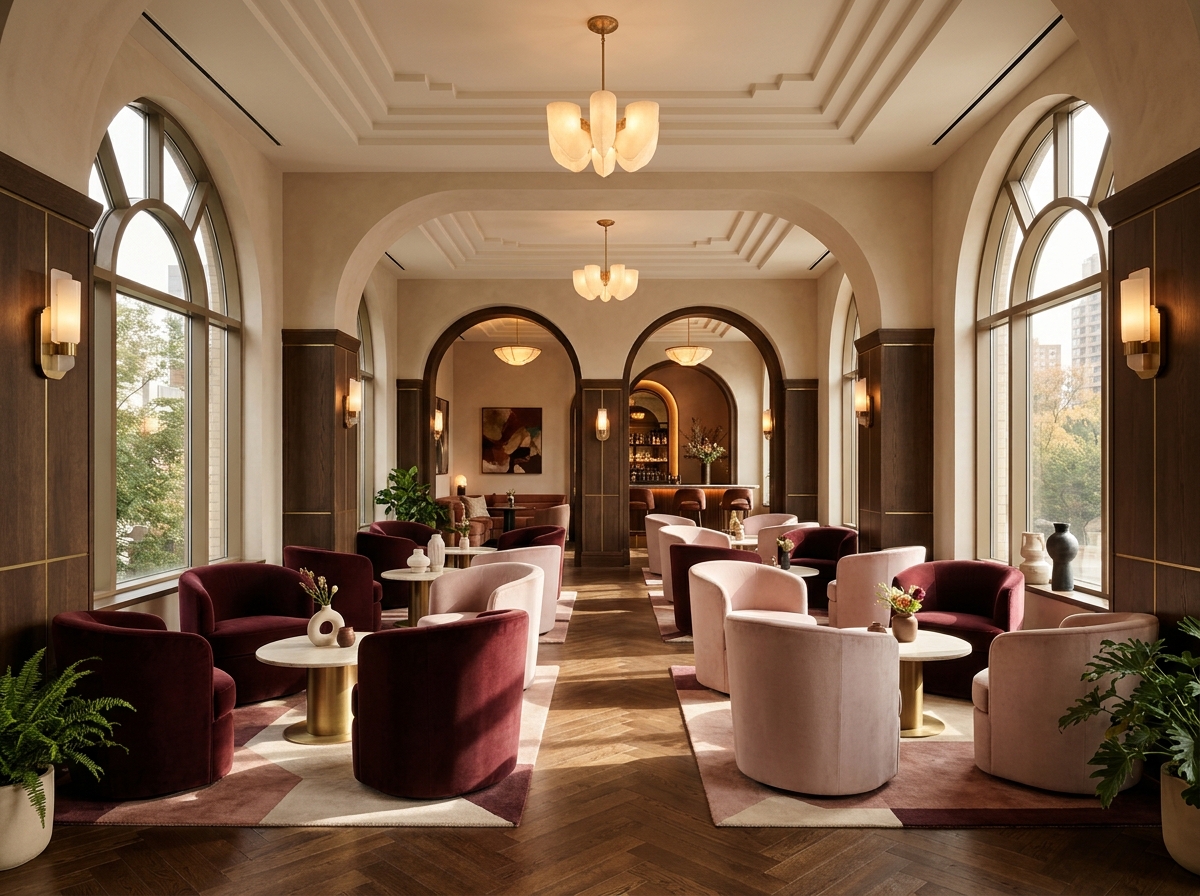
Refined Canadian hotel lounge with curved architecture

A memorable stay begins long before check-in. It starts with a sense of anticipation: the neighbourhood you have chosen, the first glimpse of a striking building and the possibilities that seem to open up as you arrive. Niagara Falls is particularly good at creating that feeling. It brings together one of the world's most recognisable natural landscapes with a hospitality tradition that continues to evolve. Alongside sweeping river views and places to wander are established hotels, contemporary accommodations and a lively entertainment scene that can be enjoyed in different ways by different travellers.

We believe that accommodation should be considered as part of the journey rather than a separate practical decision. A hotel's architecture might invite you to pause in its lobby; its position might make a morning walk easier; its dining options might influence how you spend an evening. These elements are sometimes hard to compare through room descriptions alone. Looking at a destination through atmosphere, location and guest experience gives travellers a more complete understanding of what each property offers. It also makes it easier to recognise when a hotel aligns with the occasion you have in mind.

Niagara's history creates interesting contrasts. Grand hospitality buildings recall an era when visitors came to the Falls by rail and often made an occasion of their arrival. Modern properties respond to different priorities, with a focus on flexible guest spaces, convenient amenities and proximity to attractions. Both approaches can provide rewarding stays. We are interested in that range rather than in declaring a single style universally superior. A heritage hotel can be ideal for one weekend, and a contemporary Fallsview room may be a better choice for the next.

There is also an important distinction between the natural wonder and the city's entertainment districts. The Falls themselves remain the defining feature, but Niagara visitors can combine sightseeing with restaurants, cultural experiences and scheduled performances. Adults may also choose to visit one of the two major casino destinations. We treat casino entertainment as an optional activity and encourage guests to consider its location, practical connections and responsible-play information, never as a reason to expect financial gain.

Casino Niagara Inn is a small, independent editorial collection created to make those decisions clearer. We present three recognisable hotels and explain their different relationships with the city. Our selections focus on location, character and the kinds of experiences travellers might build around each stay. We do not operate the hotels, sell rooms or invent promotions. Instead, we point visitors towards the properties' official channels for up-to-date details and reservations. The result is a guide intended to help you plan with a little more understanding and a little more imagination.
NIAGARA THROUGH THE YEARS

A DESTINATION
WITH A STORY.

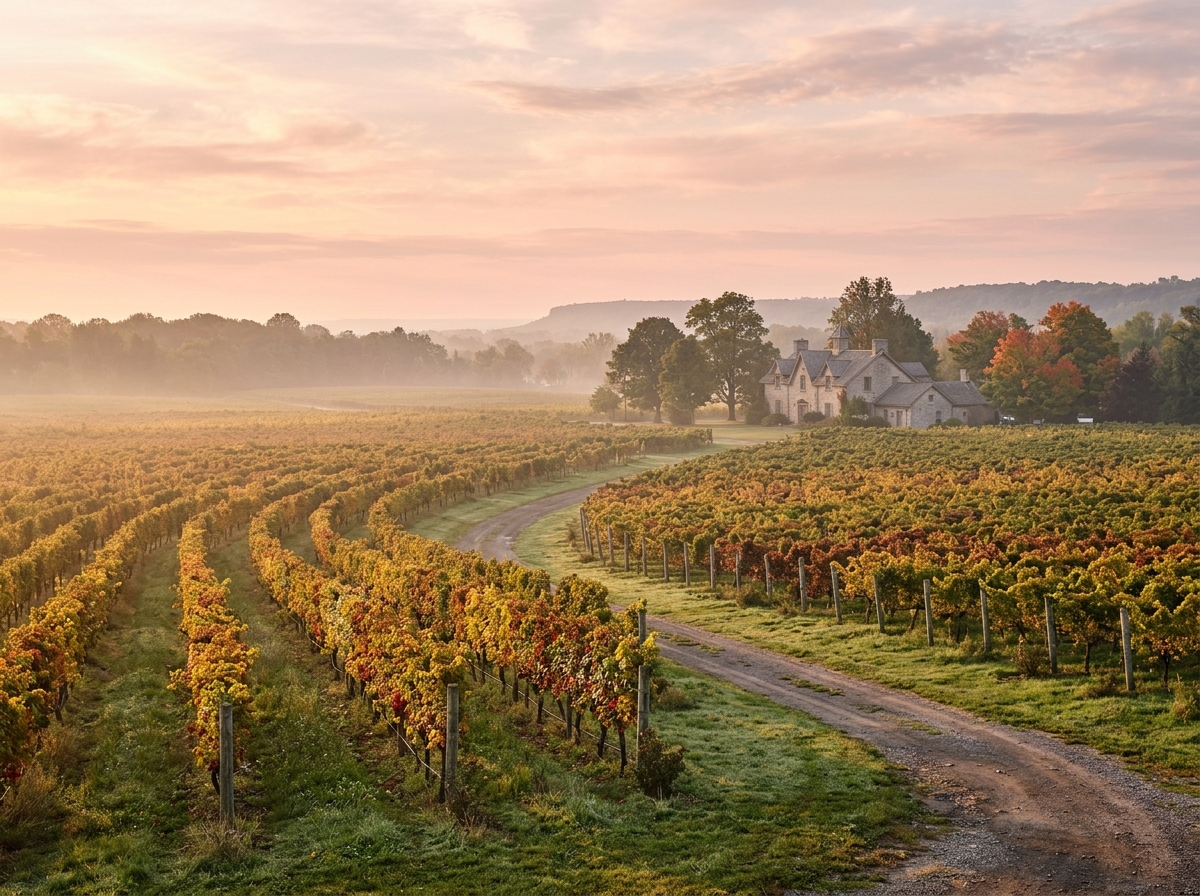
Early autumn vineyards in Niagara-on-the-Lake

The Natural Wonder

Long before Niagara became a celebrated travel destination, the Niagara River shaped the surrounding land through the continuous force of moving water. The Horseshoe Falls and American Falls are the most recognisable parts of a wider landscape of gorge, rapids and escarpment. They remain dynamic natural features, with changing weather, water conditions and seasonal light contributing to the way visitors experience them. The spectacle has inspired generations of artists, writers, photographers and travellers, yet its strongest impression is often direct: the sound, movement and immense scale of the river.

The Rise of Tourism

As transportation improved, the Falls became increasingly accessible to visitors arriving from other parts of Canada and abroad. Public viewpoints, excursions and visitor services developed in response to growing interest. Niagara's story as a destination is therefore also a story about movement—people making a journey for the purpose of seeing something extraordinary. Parks, scenic roads and pedestrian spaces continue to help visitors encounter the landscape from several viewpoints. Today's travellers can still appreciate that simple impulse to pause in front of the water, even within a much busier setting.

Historic Hospitality

Hospitality became an important part of Niagara's identity as visitors sought places to rest, dine and gather. Hotels developed their own architectural character, often reflecting the tastes and ambitions of their times. Some landmark properties have been refreshed repeatedly while retaining a recognizable sense of arrival. Their appeal now comes not only from heritage styling but from the conversation between old and new. Contemporary guest expectations have changed, while the value of an interesting location and a welcoming atmosphere has remained consistent. The Brock is one example of a property that brings this established character into a modern stay.

A Changing Entertainment Landscape

Over time, the region broadened its appeal with more restaurants, family attractions, cultural experiences and evening activities. Niagara Falls developed multiple visitor districts, each with a slightly different rhythm. Falls Avenue and Clifton Hill are known for their busy pedestrian energy, while the Fallsview area combines large hotels, dining venues, entertainment spaces and prominent viewpoints. The casino destinations are part of this modern tourism landscape, but they are not the whole story. For adult travellers, the choice of where to stay can influence how easily an evening event connects with the rest of the itinerary.

Niagara Today

Niagara now welcomes many kinds of journeys, from a brief weekend escape to a leisurely exploration of the wider wine country. Travellers can pair the waterfall with a restaurant experience, visit Niagara-on-the-Lake or spend time along the parkway without rushing. The destination is also more comfortable to explore when guests understand seasonal differences and the layout of the city. A location near one attraction is not necessarily convenient for another, and an impressive view can depend on the precise room booked. Good planning today combines inspiration with straightforward questions about access, amenities and availability.

THREE DIFFERENT PERSPECTIVES

EVERY JOURNEY HAS
ITS OWN CHARACTER.

01

The Scenic Traveller

Some journeys begin with a single image in mind: mist rising across the gorge, afternoon light moving through the water or a quiet moment before the main promenades grow busy. The scenic traveller builds the stay around those moments. Room orientation, proximity to viewpoints and time of day matter more than a packed list of attractions. The Oakes may appeal for its outlook, while other hotels offer different routes into the landscape. It is worth confirming the exact room category and view directly rather than assuming every room looks towards the Falls. A scenic itinerary can still include excellent meals and entertainment, but these experiences surround the central pleasure of observing the destination itself. Pack for changeable conditions, allow room for unplanned stops and return to favourite viewpoints when the light changes. Niagara rewards curiosity even when you have already seen its most famous feature.

02

The Weekend Explorer

The weekend explorer wants a little of everything without feeling hurried. A good morning might begin with coffee near the hotel and a walk towards the Falls; the afternoon could lead to an exhibition, a scenic route or a visit to a nearby community. Dinner becomes a chance to talk about the day, while the next morning remains open for one more discovery. Hotel location has practical value for this kind of trip because shorter transfers leave more time for experiences. The Brock's Falls Avenue address, Wyndham Grand's Fallsview position and The Oakes' scenic outlook all provide different starting points. Rather than checking off every attraction, choose two or three priorities and use them to shape the rest of the visit. Reservations and opening hours may change with the season, so some preparation is useful. The best short breaks often feel generous because they leave space to enjoy the unexpected.

03

The Entertainment Guest

For some adult visitors, the excitement of Niagara continues well into the evening. A performance, a carefully chosen restaurant and the atmosphere of a lively district can be just as compelling as the daytime scenery. The entertainment guest looks for comfortable accommodation and a practical route between the hotel and scheduled activities. Wyndham Grand provides an indoor connection to Fallsview Casino Resort and access to the wider Fallsview area; The Brock offers an indoor connection to Casino Niagara. The Oakes is located nearby but is not internally connected to the casino. These details make a difference when planning for weather or a late return. Casino entertainment is an optional activity for those aged 19 and over, and it should be approached with time and spending limits. A balanced itinerary leaves room for performances, food, relaxation and the Falls itself rather than allowing a single form of entertainment to define the entire trip.

01 / A THOUGHTFUL LOCATION

The best hotel address is the one that makes your preferred experiences easier to enjoy.

02 / ROOM TO DISCOVER

Allowing some unplanned time helps a Niagara itinerary feel relaxed rather than crowded.

03 / THE OFFICIAL DETAILS

Check specific rooms, amenities and reservation conditions directly with each property.

FIND A STAY THAT
SUITS YOUR STORY.

EXPLORE HOTELS